
Adequate Incomes: A Key to Challenging Poverty

Cath McNally
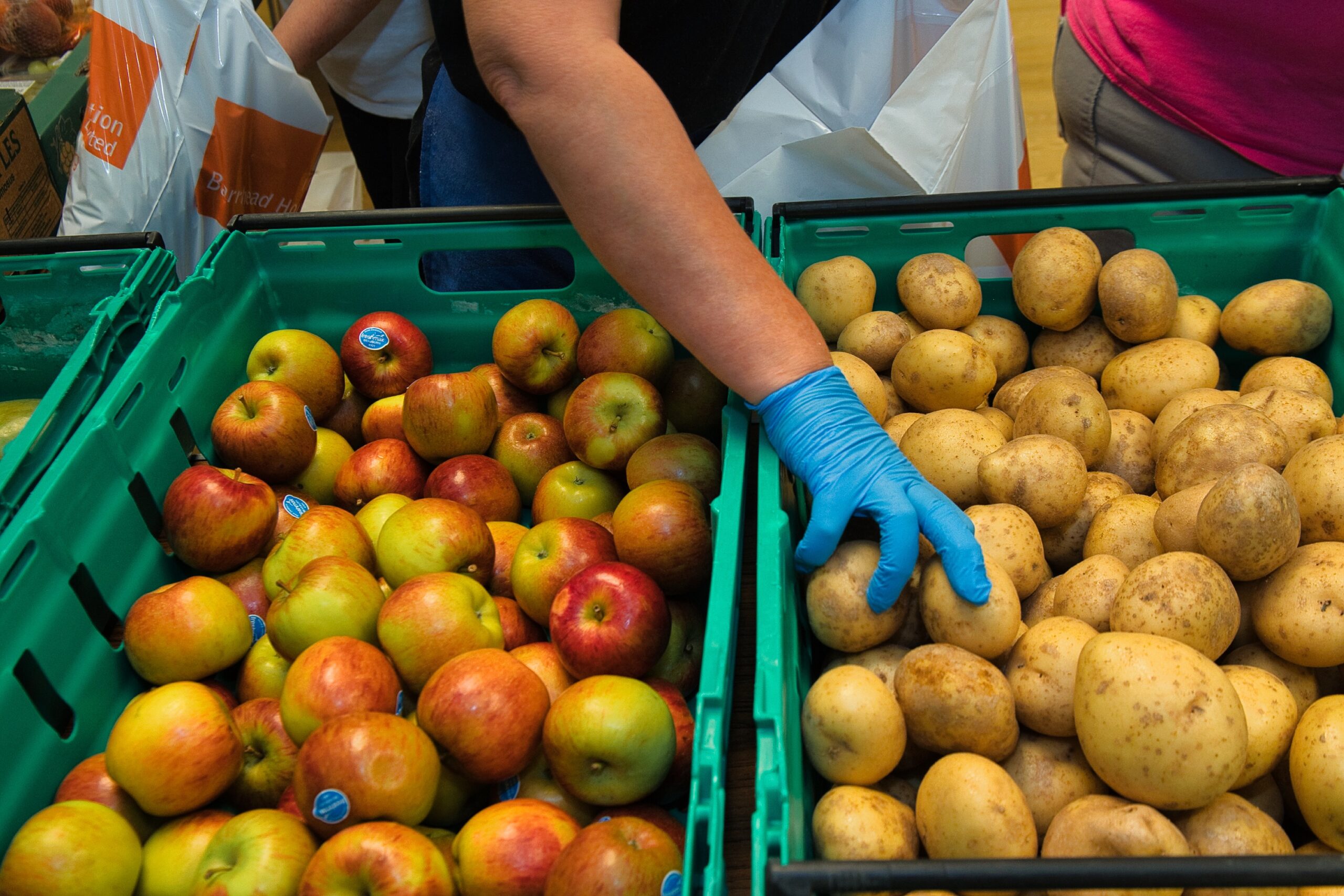
Each year the Poverty Alliance leads Challenge Poverty Week, it is an opportunity for people to unite against poverty and promote a vision for a more equal and fair society. A central theme of Challenge Poverty Week 2024 is adequate incomes. But what does this mean? And how can we make an adequate income a reality for all?
What are adequate incomes?
An adequate income is one that allows people to not only meet their basic needs, but also to participate fully within society. This means people have enough money to access essential needs like food, housing, healthcare and education, while being able to engage in social and cultural activities with others. It’s about more than just getting by – thriving, not merely surviving.
Why are they important?
Adequate incomes are key to challenging poverty because they provide a foundational level for people and families to achieve a sense of stability and not have their dignity eroded, like we see in the current benefit entitlements system. When people have enough money to cover their basic needs, they can:
- Think beyond what is immediately in front of them and plan for the future
- Manage and reduce stress which has positive impacts on both physical and mental wellbeing
- Be more active members within their local communities, which has personal and community-level benefits
- Break the cycle of generational poverty
How can we achieve them?
There are a variety of approaches to the implementation of adequate incomes, though any one approach wouldn’t necessarily work for every situation. Careful thought and planning, and an informed understanding of the potential outcomes and impacts, need to be fully understood before implementing any one approach. Let’s explore a few approaches:
-Universal Basic Income (UBI)
UBI is a regular payment given to everyone without any conditions. It doesn’t matter if you’re employed or how much you earn – everyone gets it. The idea is to provide a basic financial foundation for everyone. The Scottish Government granted money to Fife and Glasgow Councils to conduct feasibility studies on delivering a UBI trial within their areas. These studies show that if funding could be secured for a pilot roll out then it should be done as the research suggests UBI would have a positive impact on people and families.
-Living Wage
The Living Wage is a voluntary pay rate that is set higher than the National Minimum Wage and is calculated from figures based on the actual cost of living. A Living Wage ensures workers can afford a decent standard of living and has positive knock-on effects for employers; workers who are paid a living wage have higher productivity levels. The Scottish Living Wage Campaign is a coalition working to increase the number of Scottish employers that pay the Living Wage.
-Debt Relief Initiatives (DRI)
DRIs are designed to reduce or eliminate the debt of a person or family, helping them to manage their finances. Some programmes are designed to eliminate specific kinds of debt, like the Scottish school meal debt clearance campaign, which eased the financial burden on many families. By reducing personal debt there are positive impacts on personal health, wellbeing and economic participation.
-Cash First Approaches
CFAs prioritise giving people the choice as to how they spend the money they receive. These approaches favour the provision of money directly to those in need rather than providing vouchers, good or services. Corra Foundation’s cash-first funding approaches allowed groups and organisations to distribute money directly to those in need, so people could make their own decisions about how best to use resources.
Real-world impact
To understand the importance of adequate incomes, let’s consider a constructed example:
Sarah, a single mother of two young children, was struggling to make ends meet while working part-time at a local supermarket. Her income barely covered rent and household bills, leaving little for food and other necessities. She often had to choose between paying bills and buying good quality food, often leading her to the services of a local foodbank.
When her employer adopted a Living Wage policy, Sarah’s hourly rate increased significantly. This boost in income allowed her to work fewer hours while still earning more overall. With her newfound financial stability, Sarah was able to:
- Spend more quality time with her children, helping them with homework and attending school events
- Afford healthier food options, improving her family’s nutrition and wellbeing
- Enrol in evening classes to gain new skills, enhancing her future career prospects
- Start a small savings account for emergencies and her children’s education
- Participate more in community activities, broadening her social network
The ripple effects extended beyond Sarah’s immediate family. Her increased spending power supported local businesses, and her improved work-life balance made her more productive at her job. Most importantly, Sarah felt a renewed sense of dignity and hope for her family’s future.
This example shows how adequate incomes create knock-on and long-lasting impacts, improving various aspects of people’s lives and contributing to poverty reduction and eventual eradication.
The urgent need to make adequate incomes a reality
Recent research from the Joseph Rowntree Foundation (2024) highlights the stark reality of income needs in the UK. As of 2024, a single person requires an annual income of £26,800 to achieve a basic acceptable living standard. This figure increases substantially for families – for instance, a couple with two children needs significantly more. These findings underscore the ongoing struggle many households face in attaining financial stability.
While there have been recent increases in benefits and the National Living Wage, the gap between actual incomes and what’s needed for a decent standard of living remains too wide for many families. This discrepancy emphasises the urgent need for robust policies that ensure everyone in Scotland has access to an adequate income, allowing them not just to survive, but to fully participate in society.
Adequate incomes need to be more than just an aspiration – they are key for creating a more equal and fair society. By supporting and implementing approaches that deliver adequate incomes, we can ensure that everyone in Scotland has enough money to thrive within society.