
Corra’s Annual Report and Accounts 2025-26

By Corra Foundation
Today we publish our Annual Report and Accounts for 2025-26 reflecting Corra’s activity over the past year as we work towards delivering the #ThreeBigChanges at the heart of our strategy. Thank you to all those who continue to work alongside Corra and without whom, this work would not be possible.
We encourage you to grab a cup of tea and delve into our Annual Report and Accounts 2025-26. An accessible word version of our Annual Report and Accounts 2025-26 is also available. The list of all grants made in the 2025-26 year are available here.
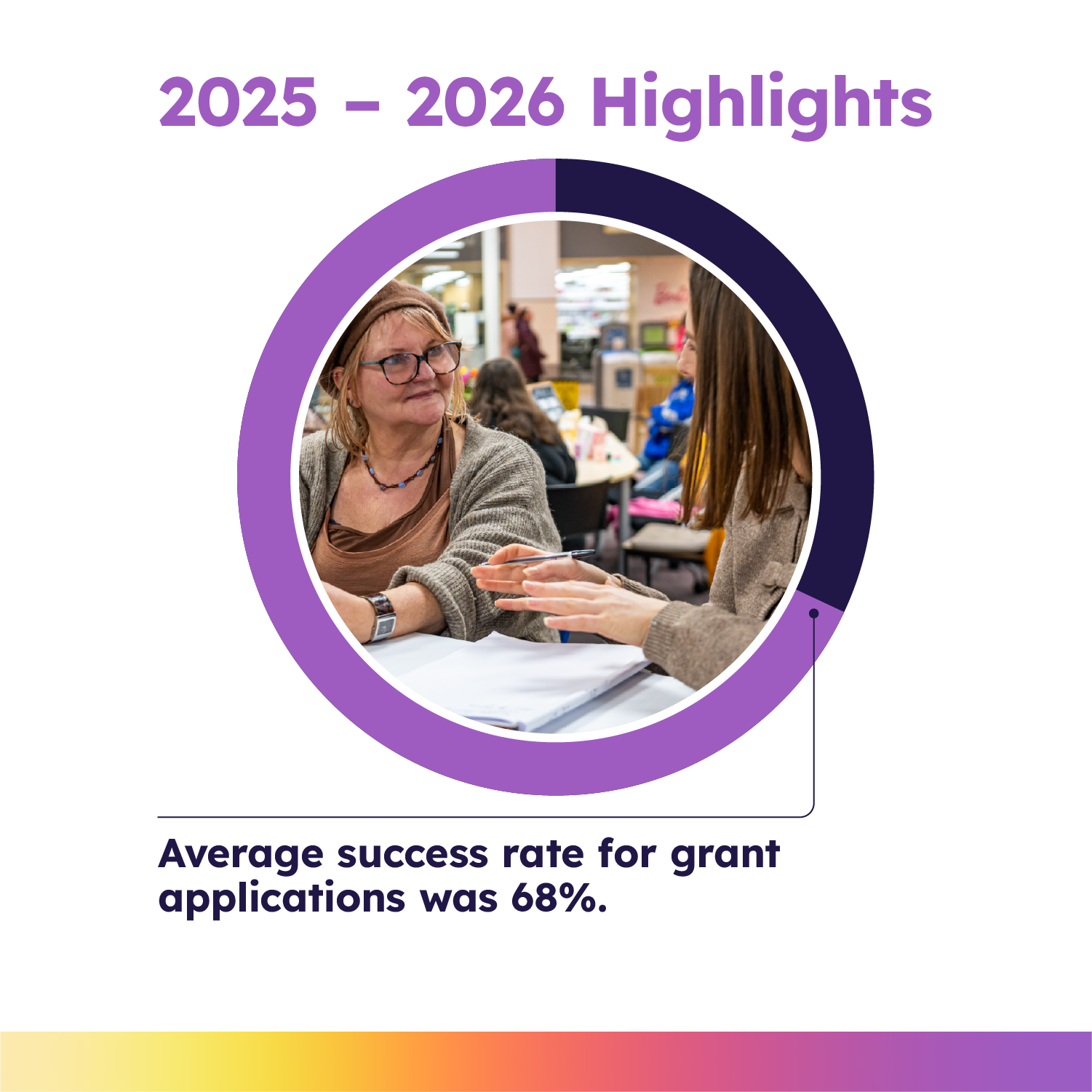
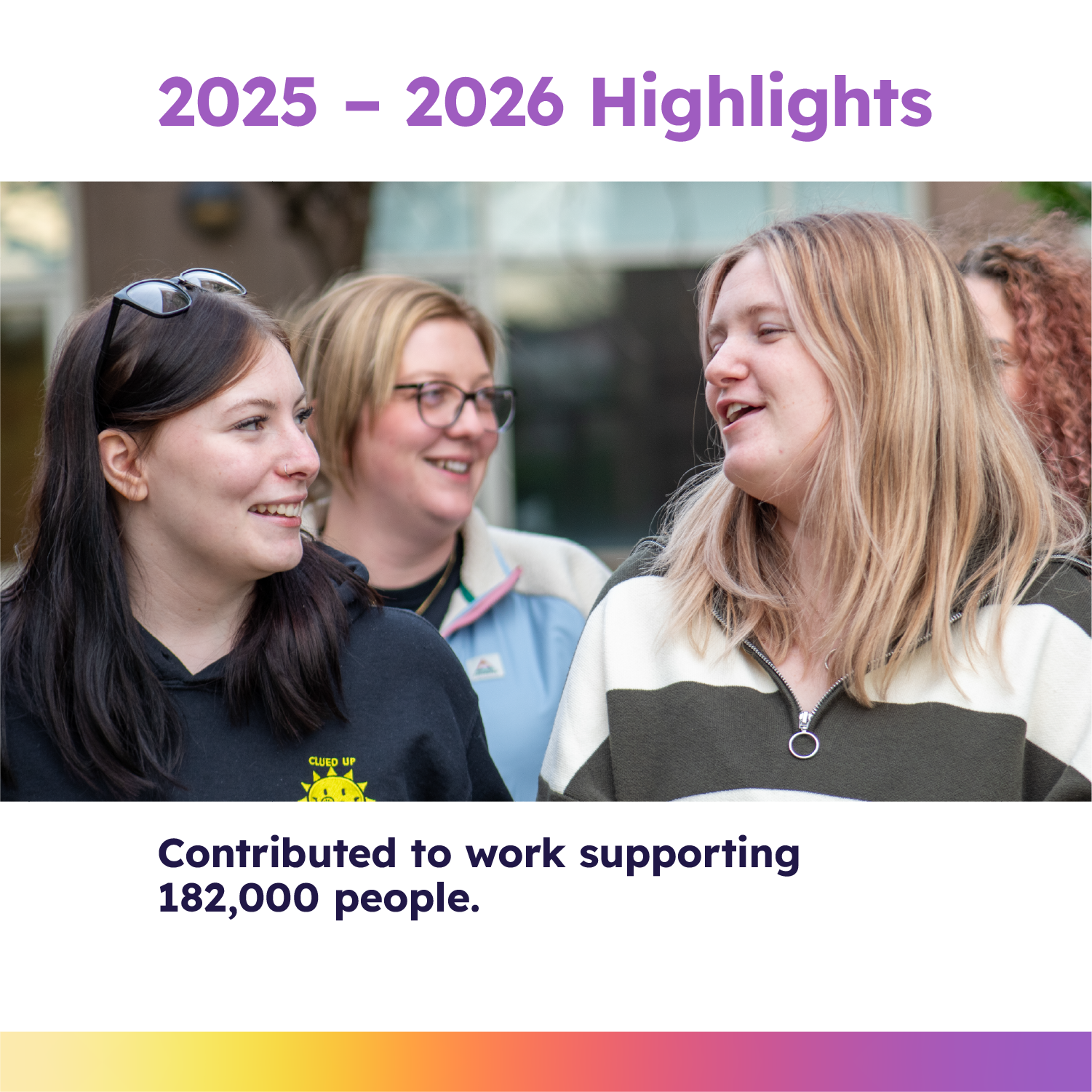
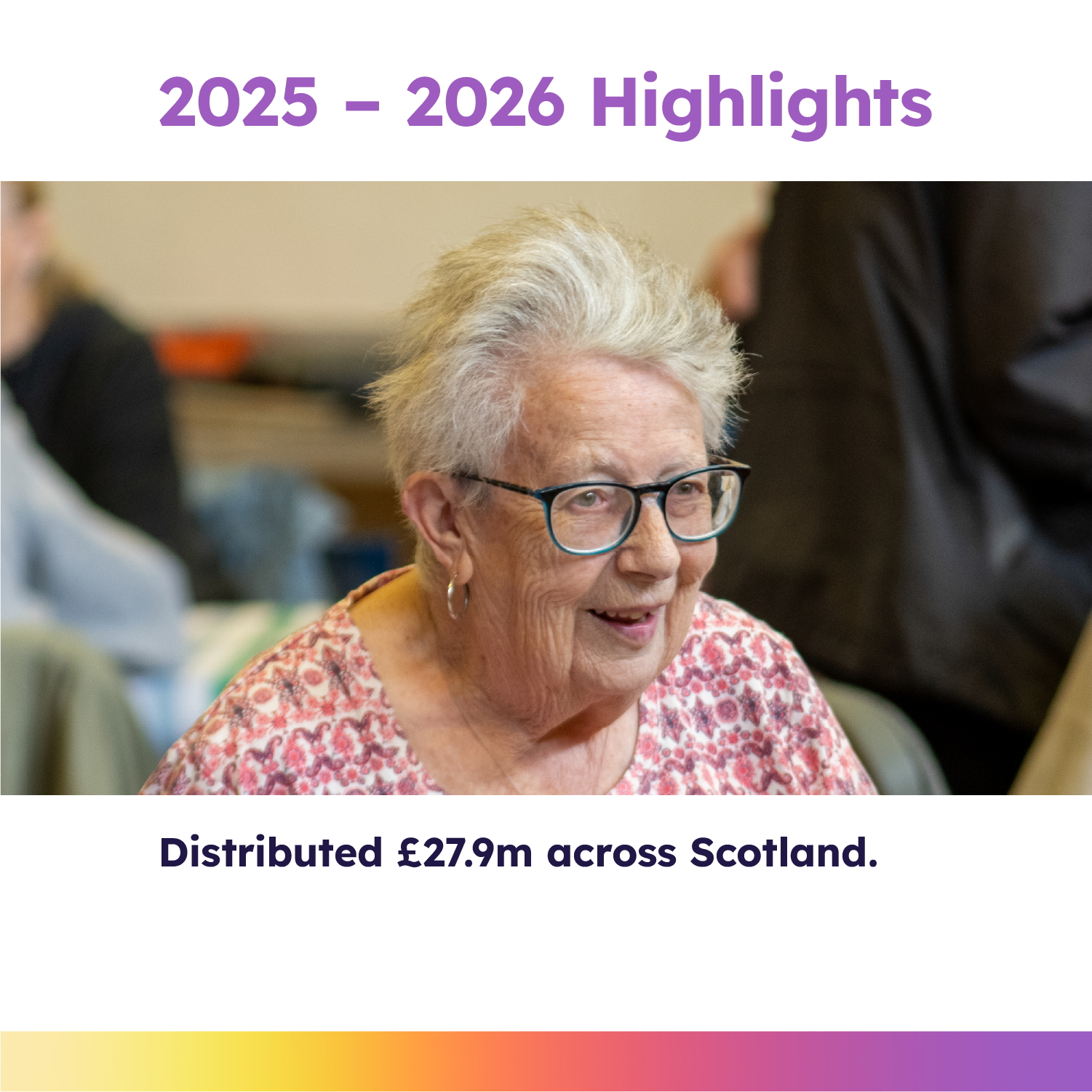
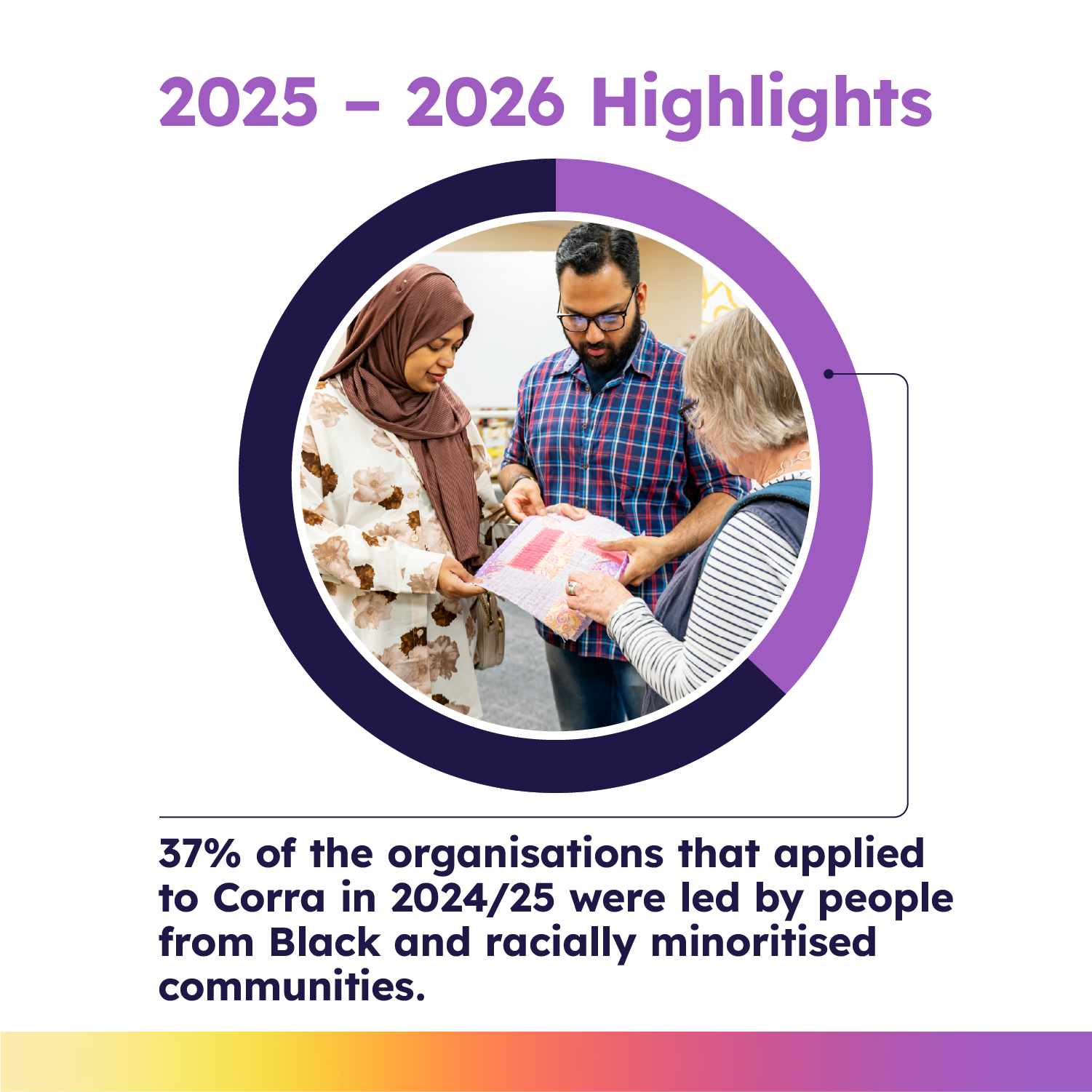
Here’s a snapshot of what you’ll find inside this year’s annual report …
Change 1: Power to create change rests with people themselves
The most powerful, meaningful change starts with people. For this to happen, we all need to be able to participate (in communities, in decision making, in society), to find our voices and make ourselves heard. As we work towards this change, this year we have been:
- Amplifying voices through the Birth Parents Fund Stories Project and supporting Human Rights Defenders through the Independent Human Rights Fund for Scotland.
- Expanding participatory grant making in Corra’s approaches through the You’re Only Young Once Fund and Corra Racial Equity Fund.
- Supporting community leadership through the Community Leadership Collective, Every One Every Day in Kirkcaldy and the culmination of our long-term programme Getting Alongside Communities.
Change 2: People with ideas for radical change are supported, skilled, connected and confident
Radical change is needed if we are to respond to many of the challenges we face. The potential for this comes from people or small groups within communities of geography and interest. The people who know best how to respond to challenges are those who are most closely affected by them. Often though, they can’t access the support that would tip the odds in their favour. As we work towards this change, this year we have:
- Continued the Boost Fund, with partners, providing grants to small constituted and unconstituted community groups and launched the Corra Racial Equity Fund offering multi-year unrestricted grants with £749,850 grants made.
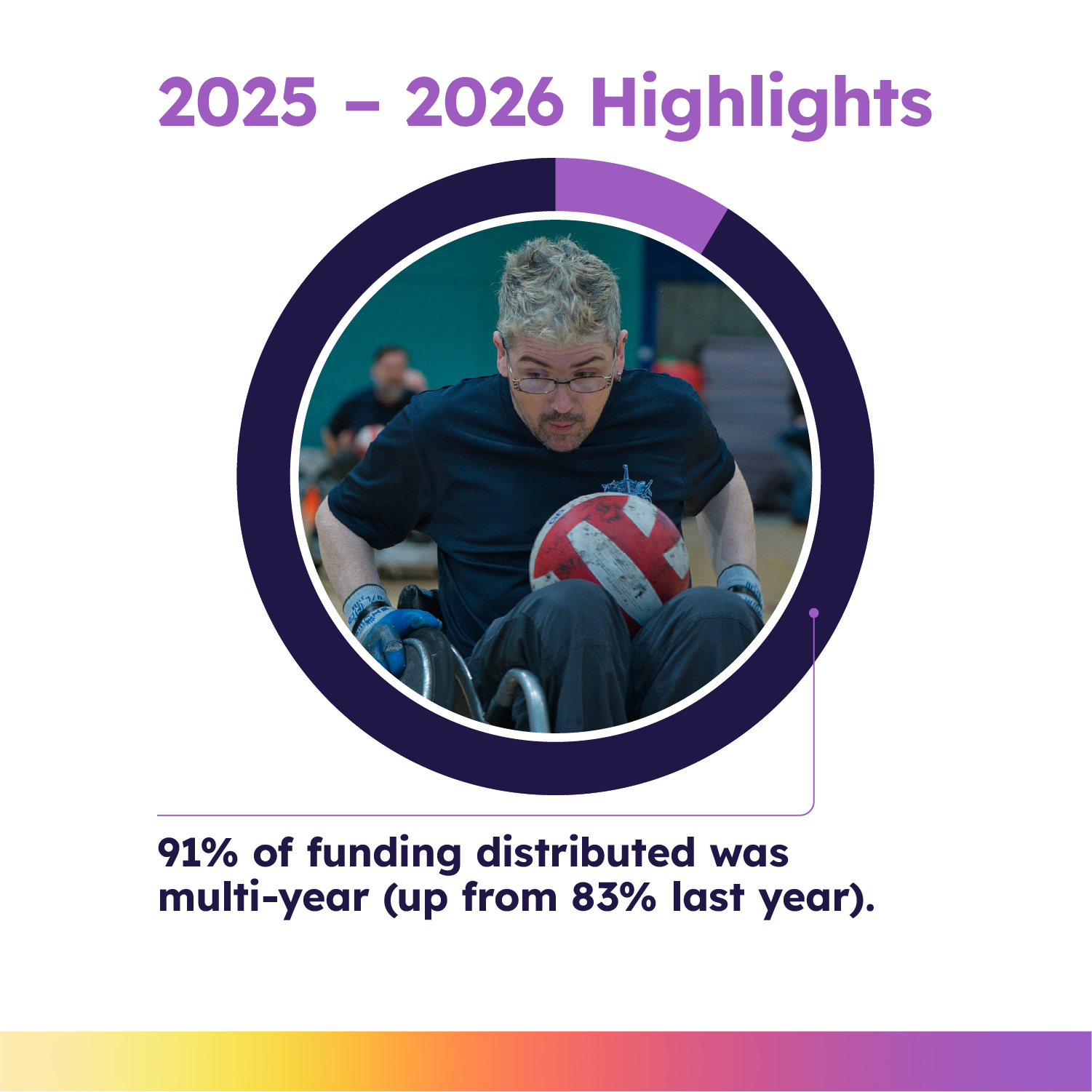
- Increased the proportion of funding we distribute that provide multi-year grants to 91% of all funds distributed by Corra.
- Created space for connection and collaboration through travel and subsistence bursaries for groups to attend SCVO’s Gathering and organising the National Drugs Mission Fund Celebration Conference.
Change 3: People are working together to respond to the big challenges in Scotland
We can only rise to the challenges we face if people work together across groups, organisations and sectors. The most powerful way to find new solutions is by bringing lived and learned expertise to the table. This type of social change needs a whole range of tools, including: making best use of data; funding; helping people build their confidence and skills; networking; learning, sharing and campaigning. As we work towards this change, this year we have:
- Continued to work closely with other funders on advance racial equity, including through the Ten Years’ Time Community of Practice. In late 2025 we delivered a session to share our learning with senior leaders from UK philanthropy.
- Developed two new partnerships supporting groups led by women and girls. Funding of nearly £1m from Henry Smith Foundation allowed further grants to be made through Henry Duncan Grants and The Promise Partnership . A grant from Fondation Chanel will enable Corra to deliver support to small and medium sized organisations across Scotland led by women and girls.
- Brought together twelve community led organisations working to support people (primarily women and girls) affected by domestic abuse and violence. The groups informed a collective response to the proposed Prevention of Domestic Abuse Bill and their input was referenced in the report of the Scottish Parliament’s Criminal Justice Committee. Despite having crucial expertise to contribute, these women’s voices had not previously had a space in policy making.