Independent Human Rights Fund for Scotland

The Independent Human Rights Fund for Scotland supports action to realise and defend rights, and tackle immediate rights issues affecting people’s daily lives.
Funding:
- Enables organisations working in Scotland to close the gap between policy and practice, and the lived experience of people whose rights are most at risk.
- Helps unlock the power of people, communities and organisations to name and claim their rights and hold duty bearers to account.
- Creates conditions for a strong human rights sector in Scotland.
The Fund takes a participatory approach, reflecting the PANEL principles of Human Rights. A combination of people with lived and learned expertise are part of guiding the Fund and making decisions about where money is spent. This combination of expertise will also help understand the learning that comes from the Fund, and how this can be used to further support human rights in Scotland.
The Fund is independent of government and is open to non-statutory organisations working in Scotland. It is supported by a group of funders that includes: AB Charitable Trust, The Baring Foundation, The Binks Trust, Corra Foundation, Elevate Great, Indigo Trust, The Robertson Trust, and William Grant Foundation.
The Fund is hosted by Corra Foundation.
This document provides a short summary of the Fund’s development journey, funder contributions and grants made. Link to background note on the Independent Human Rights Fund for Scotland
Three initial grants were made in early 2024 through an invitation process to: Environmental Rights Centre for Scotland, Making Rights Real, and Starcatchers.
In planning the first open call, and in anticipation of a high level of applications, Corra developed focussed criteria through work with an advisory group who shared valuable advice and brought diverse perspectives to this process. The group included Bruce Adamson, Darryl Gaffney du Plooy, Elaine Webster, Julie Christie, Zaki El-Salahi and Zara Todd.
The fund opened to applications on 4 June 2024 and closed on 4 September 2024. There was just over £900,000 available to distribute, and we expected to make 6 to 10 grants.
We received 67 applications, significantly more than we were able to support. After an initial review, eligibility and due diligence checks by Corra staff, applications went to a decision-making panel of people, including children and young people, with lived experience of barriers and challenges to the enjoyment of their human rights, who worked on their review of applications in October. All organisations who applied were informed of the outcome of their application at the end of October, with feedback offered during November and December.
The panel selected seven applications to be funded in this open call whose grants were confirmed in December 2024:
- Amnesty International UK Section Charitable Trust in partnership with Refuweegee and Central & West Integration Network;
- Clan Childlaw in partnership with Together Scotland;
- Human Rights Consortium Scotland;
- JustRight Scotland in partnership with Grampian Regional Equality Council and Romano Lav;
- LGBT Youth Scotland in partnership with the Rock Trust;
- Scottish Women’s Aid in partnership with Argyll & Bute Women’s Aid; and,
- Shelter Scotland in partnership with the Legal Services Agency.
The panel also identified a reserve option which the Fund has been able to support following additional investment in January 2025:
- Article 12 in Scotland.
In June 2025, the Fund was able to distribute a further £125,000 with the specific aim of supporting Human Rights Defenders. Four organisations identified through a consultation received dedicated funding for their work with Human Rights Defenders: Children’s Parliament, Glasgow Disability Alliance, Environmental Rights Centre for Scotland, and Making Rights Real. Funding will also support the costs of involvement of international Human Rights Defenders from the Scottish Human Rights Defenders Fellowship in their collaboration with Scottish organisations.
If you’d like any further information about this Fund, please contact humanrights@corra.scot.
Decision making process for the open call

Eligibility and due diligence checks were undertaken by Corra staff.

Applications were reviewed against the Fund Criteria and published priorities by Corra staff. Other Advisors in the Corra team reviewed these assessments and agreed on a shortlist.

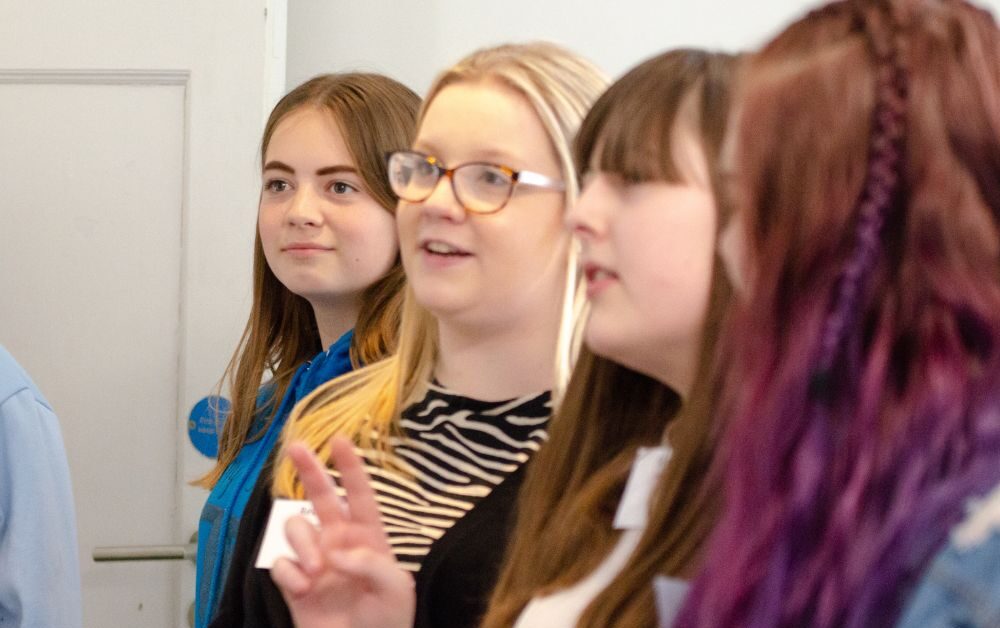
Applications were shared with a panel of lived- and learned-experience decision-makers who discussed and decided on grants; the panel made the final funding decisions. The decision-making panel included people, including children and young people, with lived experience of barriers and challenges to fulfilment of their human rights. This participatory process is part of trying to reflect the PANEL principles of a human rights based approach in how the Fund works. It was informed by desk-based research by Corra to identify key human rights issues and groups whose rights are at risk in Scotland. A role description was circulated through three organisations’ networks – Environmental Rights Centre Scotland, the Human Rights Consortium Scotland, and Together (Scottish Alliance for Children’s Rights). The panel included people with a range of backgrounds, experiences and ages.
Which organisations received funding?
What’s next?
What are the reporting requirements for successful organisations?
Reporting systems and templates have been developed for this fund with input from civil society, and feedback continues to shape these reporting templates. Where possible, organisations will be able to use reports they are already producing for their own Boards, partnerships or other funders that reflect the progress of work. Organisations can expect to be asked for:
- An informal check-in meeting mid-year.
- A short written annual report and financial update at the end of each year, which is reviewed ahead of the next annual instalment.
- A more reflective final written report at the end of the grant.
Successful organisations are also expected to contribute to a learning process for the Fund. Learning activities are led by an external partner, Three Sisters Consultancy, and are structured and organised in consultation with grantholders and with consideration for their workloads.